

Behind the Scenes of Devil in the Dust: Researching the Dust Bowl Era
Introduction
The Dust Bowl era, a period etched into the fabric of American history, continues to captivate imaginations with its tales of resilience, struggle, and the sheer force of nature. When intertwined with the gripping allure of historical crime fiction, this pivotal time offers a rich tapestry for storytelling. Tim O’Brien’s ‘Devil in the Dust’ stands as a prime example of a novel that deeply immerses readers in this unforgiving landscape and the human drama within it. Achieving such profound authenticity isn’t accidental; it stems from a meticulous author research process. For any writer aiming for historical accuracy in fiction, particularly when crafting a narrative set against a backdrop as iconic as the 1930s Great Depression, diligent investigation is paramount. This post will take you behind the scenes of the rigorous research journey undertaken for the ‘Devil in the Dust’ book, revealing how Tim L. O’Brien’s dedication to historical truth underpins his expertise in authentic storytelling and professional writing, making the Oklahoma history of the Dust Bowl truly come alive on the page.
Unearthing Truths: Primary Sources and Resonant Voices
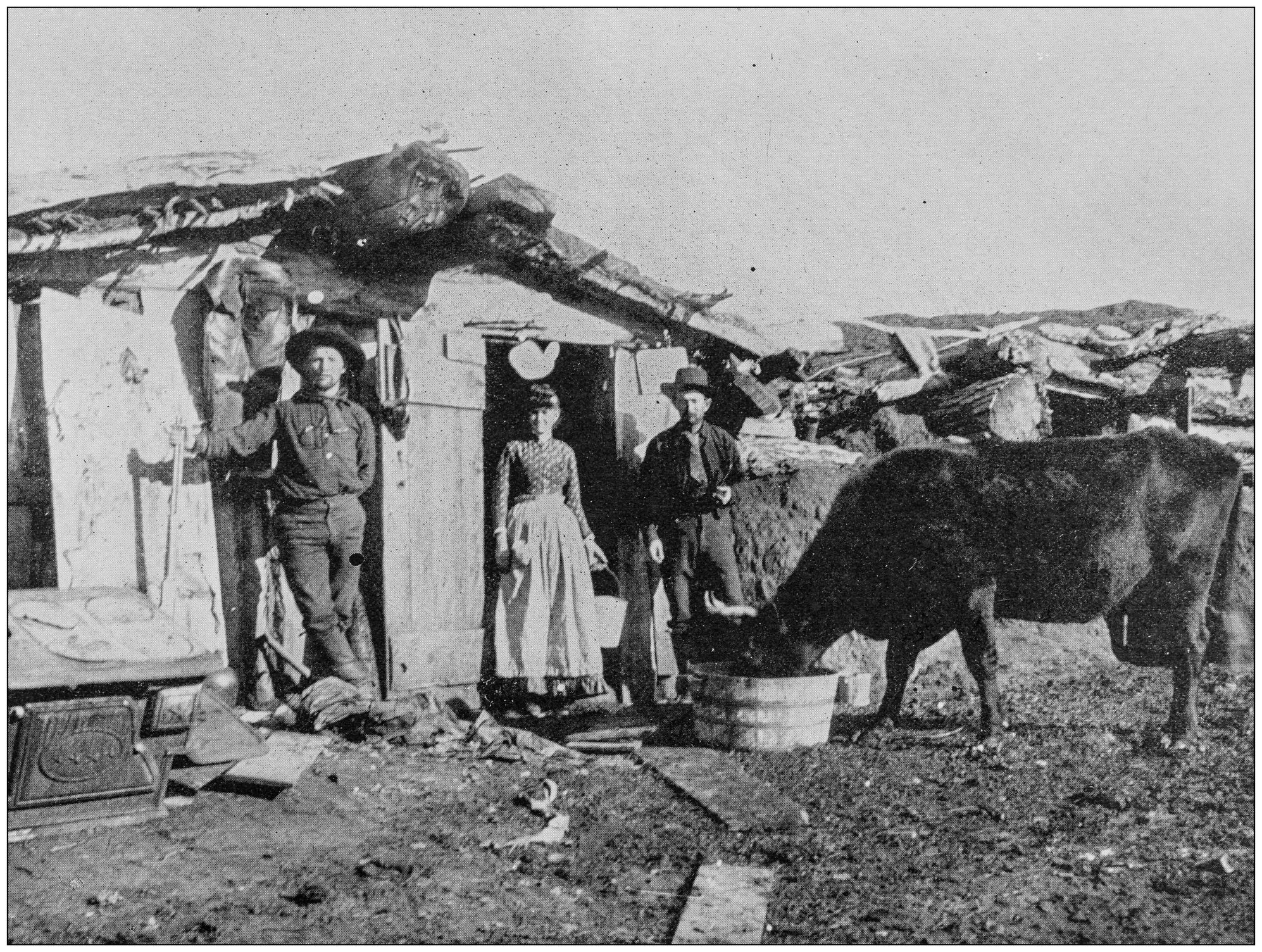
Bringing the desolate realities of the 1930s Great Depression to vivid life in the ‘Devil in the Dust’ book demanded a foundational commitment to primary sources research. Tim O’Brien recognized that true historical accuracy in fiction could only be achieved by listening directly to the echoes of the past. His author research process involved extensive archival research for writers, delving into dusty government documents, microfilmed local newspaper accounts detailing daily life and despair, and, most powerfully, the raw intimacy of personal letters and oral histories from those who lived through the Oklahoma history of the Dust Bowl. These first-hand accounts were invaluable. They provided more than just facts; they offered nuanced insights into the daily struggles, the fierce resilience, and the unique cultural fabric of communities fighting for survival. This dedication to unearthing authentic voices profoundly enriches the narrative of ‘Devil in the Dust,’ allowing readers to connect with characters on a deeply human level and distinguishing Tim L. O’Brien’s historical fiction writing as both compelling and meticulously informed.
The Land’s Lament: Environmental Ruin and Human Endurance
The environmental history of the Dust Bowl is more than just a backdrop in ‘Devil in the Dust’; it is an omnipresent, malevolent force. To convey this reality, extensive Dust Bowl research was crucial in understanding the ecological catastrophe that devastated the Great Plains. The author delved into the scientific and agricultural aspects, examining the profound impact of unsustainable farming practices that stripped the soil of its protective cover, exacerbating the Great Plains drought. This led to the infamous “black blizzards,” massive dust storms that swallowed towns whole and choked the life out of everything in their path. This profound understanding of the environmental calamity informed the dramatic setting of the ‘Devil in the Dust’ book, illustrating how the desolate landscape and unforgiving climate were not merely a stage but active characters shaping the lives, hopes, and desperate decisions of its inhabitants. Integrating this deep historical context, fiction was essential for creating the sense of realism required for a compelling western noir genre novel, making the land’s lament an integral part of the story’s tension and despair.
Journey of Desperation: The Okie Migration Under Scrutiny
Beyond the environmental devastation, ‘Devil in the Dust’ unflinchingly explores the profound human cost of the era, particularly the mass exodus known as the Okie migration. Tim O’Brien’s author research process meticulously examined the complex tapestry of reasons behind this desperate journey—crop failures, foreclosures, and the relentless dust. He delved into the arduous experiences of families packing their meager belongings into jalopies, heading west with the hope of a better life, only to often face scorn and prejudice. This critical aspect of American history in the 1930s was thoroughly researched to inform the intricate character arcs and social dynamics woven throughout ‘Devil in the Dust.’ Understanding the migrants’ motivations, their resilience in the face of adversity, and the systemic challenges they encountered allowed for layers of empathy and stark realism in this historical crime fiction research. By authentically portraying the human element of the Oklahoma history of the Dust Bowl, the narrative gains a powerful emotional core, grounding the story in verifiable human experience.
Crafting Shadows: Blending History with Western Noir Mystery
The true artistry of ‘Devil in the Dust’ lies in its masterful fusion of rigorous Dust Bowl research with the atmospheric tension characteristic of the western noir genre. Tim O’Brien’s unique approach to historical crime fiction research demonstrates how historical accuracy in fiction can not only be maintained but also serve to amplify suspense and intrigue. The challenge was to weave compelling crime and mystery elements into a setting so profoundly defined by historical hardship without sacrificing authenticity. Through careful layering, the author built a world that feels both impeccably true to the 1930s Great Depression and simultaneously rife with the shadows and moral ambiguities inherent in noir. For aspiring writers, a key creative writing tip is to let the historical context itself generate narrative possibilities; the desperation of the era naturally breeds situations ripe for conflict and secrets. ‘Devil in the Dust’ book utilizes this deep historical context fiction to elevate its noir elements, distinguishing it within the genre and offering readers a premium, immersive experience where history and mystery intertwine seamlessly.
The Writer’s Discipline: Tools and Techniques for Deep Dives
The depth evident in ‘Devil in the Dust’ is a testament to Tim O’Brien’s disciplined research methods for authors, positioning him as a thought leader in professional writing help. His process extended far beyond conventional archival research for writers. It involved advanced techniques such as cross-referencing disparate sources to corroborate details, critically analyzing conflicting accounts, and actively seeking out specialist historians for nuanced perspectives. Engaging with oral histories, often the most poignant and personal windows into the past, allowed for an intimate understanding of the era’s emotional landscape. This comprehensive author’s writing process underscores the immense discipline required for extensive Dust Bowl research, a commitment that profoundly enriches the narrative layers of the ‘Devil in the Dust’ book. For aspiring writers, a practical tip is to embrace this deep dive as an integral part of storytelling; thorough preparation not only prevents historical inaccuracies but also sparks unforeseen creative avenues. The diligence in Tim L. O’Brien’s writing is a cornerstone of crafting impactful stories, showcasing the caliber of his professional contributions.
Conclusion
The creation of ‘Devil in the Dust’ stands as a powerful demonstration of the critical role played by comprehensive Dust Bowl research and an unwavering dedication to historical accuracy in fiction. Tim O’Brien’s unique author research process—deeply rooted in the meticulous examination of primary sources, a profound understanding of the environmental history of the Great Plains, and a compassionate exploration of human experience—culminates in a rich, immersive western noir narrative. This distinctive blend of authentic Oklahoma storytelling and professional writing expertise is a hallmark of Tim O’Brien’s work, evident in both his compelling creative projects like the ‘Devil in the Dust’ book and his strategic content offerings. We encourage readers to dive into ‘Devil in the Dust’ to experience this historical crime fiction firsthand, to explore Tim O’Brien’s other writings, and to discover how his professional writing help and content strategy services can elevate their own storytelling endeavors or business communications. Visit the Tim L. O’Brien website to learn more about his approach to crafting impactful narratives and engaging content.